Diesel Petrol Prices in Pakistan Today 01 May 2026 – Latest Fuel Rates Update
Pakistan has once again witnessed a significant increase in petroleum prices, creating concern among citizens, businesses, and the transport sector. According to the latest notification issued by the Oil and Gas Regulatory Authority (OGRA), fuel prices have been revised upward effective from May 1, 2026.
This latest hike comes amid rising global oil prices and ongoing economic challenges, putting additional pressure on inflation and the cost of living across the country.
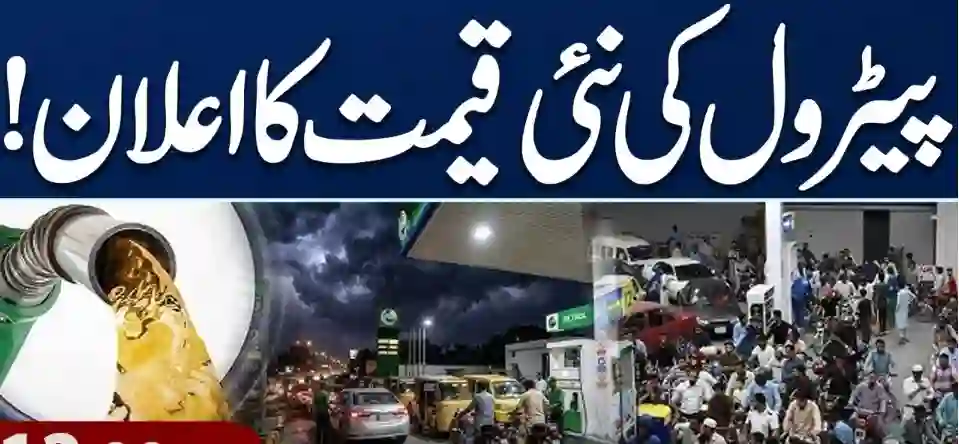

Latest Petrol and Diesel Prices in Pakistan (01 May 2026)
As per the official update, the government has increased fuel prices as follows:
- Petrol Price: Rs. 399.86 per litre (increase of Rs. 6.51)
- High-Speed Diesel (HSD): Rs. 420.00 per litre (increase of Rs. 19.39)
- LPG (Liquefied Petroleum Gas): Rs. 304.12 per kg
These revised prices are applicable nationwide, including major cities such as Karachi, Lahore, Islamabad, and Faisalabad.
Why Have Petrol and Diesel Prices Increased?
The increase in fuel prices is mainly driven by several key factors:
1. Global Oil Price Surge
International crude oil prices have been rising steadily due to geopolitical tensions, supply constraints, and increased global demand. Pakistan, being an oil-importing country, directly feels the impact of these fluctuations.
2. Currency Depreciation
The Pakistani Rupee has weakened against the US Dollar, making imported fuel more expensive. Since oil transactions are conducted in dollars, this significantly affects local prices.
3. Government Taxes and Levies
Petroleum Development Levy (PDL) and other taxes imposed by the government also contribute to higher fuel prices. Even slight adjustments in these taxes can result in noticeable changes at the pump.
Impact on the Public and Economy
The increase in petrol and diesel prices is expected to have widespread effects across Pakistan:
Inflation Increase
Fuel prices directly influence transportation and production costs. As a result, prices of essential goods such as food, vegetables, and daily-use items are likely to rise.
Transportation Costs
Public transport fares, ride-hailing services, and logistics charges are expected to increase. This will affect daily commuters and businesses relying on transportation.
Industrial Pressure
Industries that depend on diesel for machinery and transport will face higher operational costs, potentially slowing down economic activity.
Petrol vs Diesel – Why Diesel Increased More?
Interestingly, diesel has seen a much higher increase (Rs. 19.39 per litre) compared to petrol (Rs. 6.51 per litre). This is mainly because:
- Diesel is heavily used in transportation and agriculture sectors
- International diesel prices have surged more sharply than petrol
- Government adjustments often prioritize balancing fiscal targets
This sharp increase in diesel prices could have a greater ripple effect on inflation compared to petrol.
Comparison with Previous Prices
Before the latest increase:
- Petrol was approximately Rs. 393.35 per litre
- Diesel was around Rs. 400.61 per litre
After the revision:
- Petrol is now nearing the Rs. 400 mark
- Diesel has crossed Rs. 420 per litre
This marks one of the highest fuel price levels in Pakistan’s history.
Public Reaction
The price hike has sparked strong reactions from the public:
- Many citizens have expressed concern over rising living costs
- Social media is flooded with criticism of economic policies
- Transporters and traders have warned of increased fares and product prices
For middle and lower-income groups, these increases are particularly challenging as fuel costs impact almost every aspect of daily life.
Government’s Position
The government has defended the decision, stating that:
- Price adjustments are necessary due to global market conditions
- Subsidies are not sustainable given Pakistan’s economic situation
- Efforts are being made to stabilize the economy under IMF guidelines
However, no immediate relief measures have been announced for the public.
Future Fuel Price Expectations
Experts suggest that fuel prices may continue to fluctuate depending on:
- International crude oil trends
- Exchange rate stability
- Government tax policies
If global oil prices continue to rise, Pakistan may see further increases in petrol and diesel rates in the coming months.
Petrol Price in Pakistan Today Conclusion
The latest increase in petrol and diesel prices on 01 May 2026 has added further pressure on Pakistan’s already struggling economy. With petrol nearing Rs. 400 per litre and diesel crossing Rs. 420 per litre, the impact will be felt across all sectors.
Citizens are advised to manage fuel consumption carefully and stay updated with official announcements from OGRA for future price changes.