
Government Petrol Price Update 3rd April 2026 – Previous vs Current Rates
The Government Petrol Price Update for 3rd April 2026 has brought significant attention across Pakistan as fuel prices continue to impact daily life, transportation costs, and overall inflation. According to the latest update, the current petrol rate has reached PKR 458.51 per litre, marking a notable shift compared to previous rates.
In this detailed guide, you will find complete information about the latest petrol prices, previous rates comparison, reasons behind the increase, and what it means for the public in Pakistan.
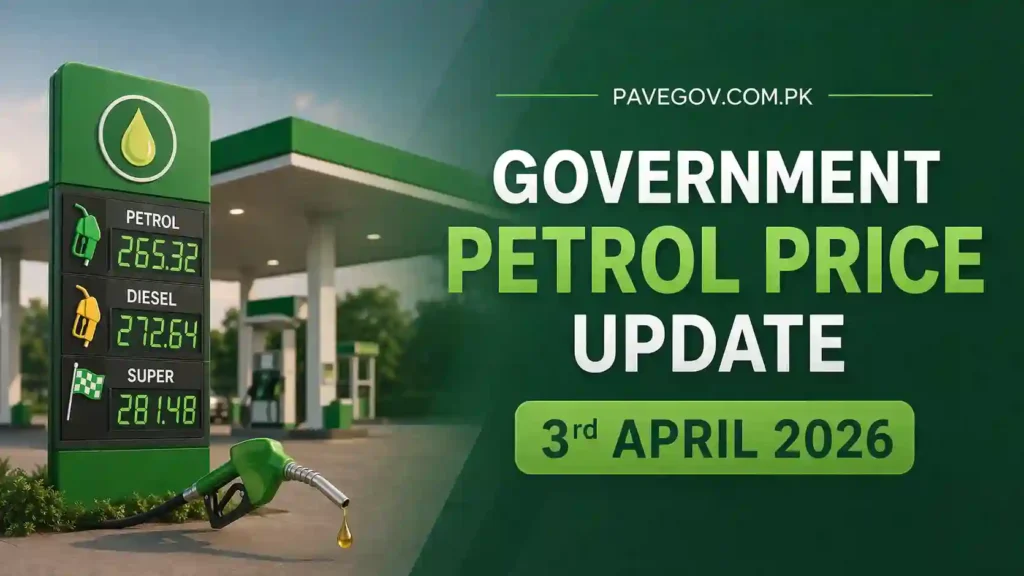
Latest Petrol Price in Pakistan April 2026
As of 3rd April 2026, the government has officially announced the following petrol price:
- Petrol Price: PKR 458.51 per litre
This updated rate reflects adjustments based on international oil prices, exchange rate fluctuations, and government taxation policies.
The new petrol price directly affects millions of citizens, especially those relying on private vehicles, public transport, and logistics services.
Previous Petrol Prices in Pakistan
To understand the impact of the latest increase, it is important to compare previous petrol rates:
- March 2026 Petrol Price: PKR 452.30 per litre
- February 2026 Petrol Price: PKR 445.80 per litre
- January 2026 Petrol Price: PKR 438.90 per litre
Price Difference Analysis
- Increase from March to April 2026: +6.21 PKR
- Overall increase since January 2026: +19.61 PKR
This consistent rise shows a clear upward trend in fuel prices, which is affecting the economic conditions in Pakistan.
Why Petrol Prices Increased in April 2026
Several key factors contribute to the increase in petrol prices in Pakistan:
1. International Oil Prices
Global crude oil prices have seen fluctuations due to geopolitical tensions and supply chain disruptions. Pakistan imports a large portion of its fuel, so any increase globally directly impacts local prices.
2. Dollar to PKR Exchange Rate
The depreciation of the Pakistani Rupee against the US Dollar has made fuel imports more expensive, leading to higher petrol prices.
3. Government Taxes and Levies
Petroleum development levy and other taxes significantly influence the final petrol price. Even small adjustments in taxes can result in noticeable changes.
4. Import Costs and Freight Charges
Shipping and refinery costs have increased, adding extra burden to fuel pricing.
Impact of Petrol Price Increase on Public
The rise in petrol prices affects almost every sector of the economy.
Transportation Costs
Public transport fares usually increase after petrol price hikes. This directly impacts daily commuters.
Inflation Increase
Higher fuel prices lead to increased costs of goods and services. Food prices, delivery charges, and utility costs are also affected.
Business and Industry Impact
Industries relying on fuel for production and transportation face higher operational costs, which may reduce profit margins.
Household Budget Pressure
Middle and lower-income families experience increased financial stress due to higher expenses.
Government Strategy on Fuel Pricing
The government reviews petrol prices regularly, usually on a fortnightly basis. The pricing mechanism includes:
- Monitoring international oil market trends
- Adjusting petroleum levy
- Considering economic stability factors
Authorities aim to balance public relief with economic requirements, although rising global prices limit flexibility.
Petrol Price Trend in Pakistan 2026
The petrol price trend in 2026 indicates a steady increase due to multiple economic pressures. Analysts predict that fuel prices may continue to fluctuate depending on:
- Global crude oil rates
- Exchange rate stability
- Government policy decisions
Consumers are advised to stay updated with official announcements to plan their expenses accordingly.
How to Check Latest Petrol Prices in Pakistan
You can check updated petrol prices through:
- Government official notifications
- Oil and Gas Regulatory Authority updates
- News websites and trusted portals
Staying informed helps individuals and businesses manage their budgets more effectively.
Tips to Manage Fuel Expenses
With rising petrol prices, here are some practical ways to reduce fuel costs:
- Use public transport when possible
- Carpool with colleagues or friends
- Maintain your vehicle regularly for better fuel efficiency
- Avoid unnecessary travel
- Use fuel-efficient driving habits
These small changes can help reduce the financial burden caused by increasing fuel prices.
Future Outlook of Petrol Prices in Pakistan
Experts suggest that petrol prices in Pakistan will remain volatile due to dependency on imports. However, long-term solutions may include:
- Investment in renewable energy
- Reduction in fuel import dependency
- Improved economic policies
If global oil prices stabilize, there may be some relief in future fuel rates.
FAQs – Petrol Price Update Pakistan April 2026
What is the latest petrol price in Pakistan April 2026?
The latest petrol price as of 3rd April 2026 is PKR 458.51 per litre.
How much has petrol price increased recently?
Petrol prices increased by approximately 6.21 PKR compared to March 2026.
Why are petrol prices rising in Pakistan?
The main reasons include rising global oil prices, currency depreciation, and government taxes.
How often does the government update petrol prices?
Petrol prices are usually reviewed and updated every 15 days.
Will petrol prices decrease in 2026?
Prices may decrease if global oil rates drop and the Pakistani Rupee stabilizes, but fluctuations are expected.
Government Petrol Price Conclusion
The Government Petrol Price Update for 3rd April 2026 highlights the ongoing challenges faced by Pakistan due to rising fuel costs. With the current petrol rate at PKR 458.51, the impact is visible across all sectors of the economy.
Understanding the reasons behind price changes and adopting smart fuel-saving strategies can help individuals manage their expenses better. Staying updated with official petrol price announcements is essential for making informed financial decisions.