Electric Vehicle Growth in Pakistan 2026: Key Challenges & Big Charging Expansion Deal
Electric vehicle growth in Pakistan 2026 is becoming one of the most talked about developments in the country’s automotive and energy sectors. With rising fuel prices, environmental concerns, and government policy support, Pakistan is slowly shifting toward electric mobility. Platforms like PakWheels are also highlighting increasing EV trends, new launches, and market demand.
In this detailed guide, we will explore EV sales in Pakistan, homegrown EV prices, 2 seater and 4 seater electric car price in Pakistan, major models like Nur-E 75 and Alektra Metro EV, along with key challenges and the latest charging infrastructure expansion deals.
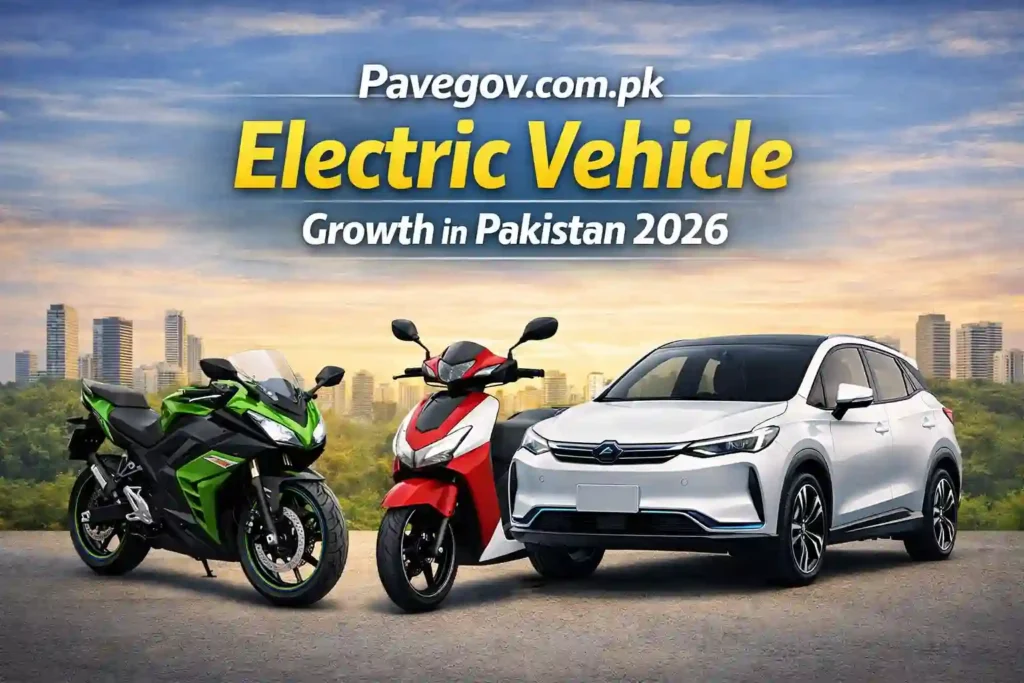
Electric Vehicle Growth in Pakistan 2026 Overview
The electric vehicle growth in Pakistan 2026 is driven by multiple factors including government incentives, private sector investments, and increasing public awareness.
Pakistan introduced its Electric Vehicle Policy to reduce dependency on imported fuel and lower carbon emissions. As a result, EV adoption is gradually increasing, especially in urban cities like Lahore, Karachi, and Islamabad.
Key growth indicators include:
- Increasing EV imports and local assembly
- Rising EV sales in Pakistan year by year
- Expansion of charging stations across major highways
- Entry of new local and international EV brands
According to market insights shared on PakWheels, EV interest has significantly increased among middle class consumers due to lower running costs compared to petrol vehicles.
EV Sales in Pakistan 2026 Trends
EV sales in Pakistan are still in the early stages but showing consistent growth.
Important trends include:
- Two wheelers and three wheelers dominate EV sales
- Entry level electric cars are gaining popularity
- Ride hailing services are exploring EV fleets
- Government fleet electrification is under discussion
The biggest advantage driving EV sales is cost efficiency. Electric vehicles have significantly lower per kilometer cost compared to petrol or diesel vehicles.
However, compared to global markets, Pakistan still has a smaller EV penetration rate due to infrastructure limitations and high initial costs.
Homegrown EV Price in Pakistan
One of the most exciting developments is the emergence of locally manufactured electric vehicles.
Homegrown EV price in Pakistan is relatively affordable compared to imported EVs. Local companies are focusing on budget friendly options to target mass adoption.
Typical price range:
- Entry level EVs: PKR 1.5 million to PKR 3 million
- Mid range EVs: PKR 3 million to PKR 6 million
Local EV production reduces import costs and helps stabilize prices. It also supports Pakistan’s economy by creating jobs and encouraging industrial growth.

2 Seater Electric Car Price in Pakistan
2 seater electric cars are becoming popular in Pakistan for urban commuting.
These vehicles are ideal for:
- Daily city travel
- Students and small families
- Ride sharing services
Price range:
- PKR 1.5 million to PKR 2.5 million
Benefits:
- Affordable entry point into EV market
- Low maintenance cost
- Easy parking in congested areas
Limitations:
- Limited range
- Lower speed compared to traditional cars
- Not suitable for long distance travel
Despite limitations, demand for compact EVs is increasing in major cities.
4 Seater Electric Car Price in Pakistan
4 seater electric cars are more practical and gaining attention among families.
Price range:
- PKR 3 million to PKR 7 million depending on brand and features
Popular features include:
- Advanced battery systems
- Smart infotainment systems
- Improved driving range
These vehicles are ideal for:
- Small families
- Daily commuting
- Corporate use
As competition increases, prices are expected to become more competitive in the coming years.
Nur-E 75 Price in Pakistan
Nur-E 75 is one of the notable local EV models introduced in Pakistan.
Key highlights:
- Developed as a compact electric vehicle
- Designed for affordability and efficiency
- Suitable for urban commuting
Estimated price in Pakistan:
- Around PKR 2 million to PKR 3 million
The Nur-E 75 represents Pakistan’s growing capability in EV manufacturing and innovation. It is also a strong example of how local companies are entering the EV market with practical solutions.
Alektra Metro EV in Pakistan
Alektra Metro EV is another important addition to Pakistan’s EV lineup.
Features:
- Designed for city driving
- Compact size with modern design
- Focus on energy efficiency
Price range:
- Approximately PKR 2 million to PKR 3.5 million
Alektra has positioned itself as a forward looking EV brand in Pakistan. Its Metro EV is gaining attention among buyers looking for economical alternatives to petrol cars.
Big Charging Expansion Deal in Pakistan 2026
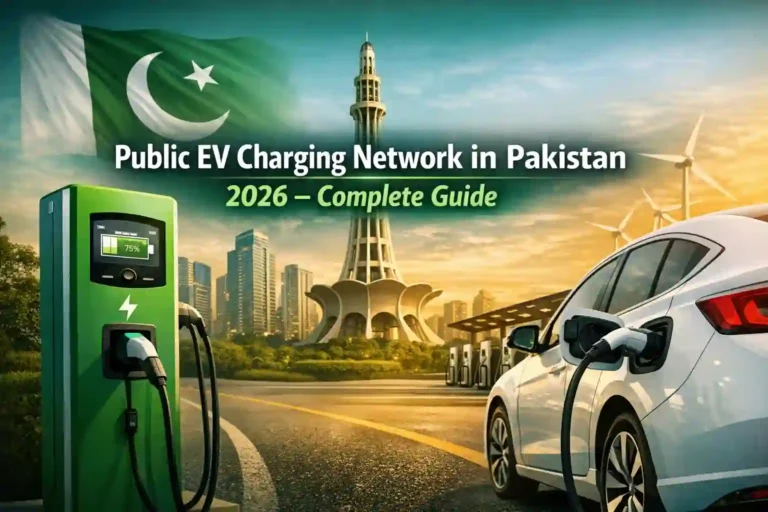
One of the most important developments supporting electric vehicle growth in Pakistan 2026 is the expansion of charging infrastructure.
Recent partnerships between energy companies aim to:
- Install hundreds of EV charging stations across Pakistan
- Cover major highways and urban centers
- Improve accessibility for EV users
Key benefits of charging expansion:
- Reduced range anxiety
- Increased EV adoption confidence
- Support for long distance EV travel
Private companies are collaborating with government bodies to accelerate charging network development. This is a crucial step toward making EVs a viable option for the general public.
Key Challenges Facing EV Growth in Pakistan
Despite positive progress, several challenges are slowing down EV adoption.
1. Limited Charging Infrastructure
Although expansion is underway, charging stations are still limited compared to demand.
2. High Initial Cost
EVs are still expensive for average consumers despite lower running costs.
3. Battery Technology Limitations
Battery life, replacement cost, and charging time remain concerns.
4. Lack of Awareness
Many people are still unaware of EV benefits and long term savings.
5. Policy Implementation Gaps
While policies exist, consistent implementation is required for faster growth.
Future of Electric Vehicles in Pakistan
The future of EVs in Pakistan looks promising.
Expected developments:
- More affordable EV models
- Increased local manufacturing
- Government subsidies and tax incentives
- Expansion of renewable energy integration
With continued investment and policy support, Pakistan can significantly increase EV adoption by 2030.
Why EV Growth Matters for Pakistan
Electric vehicle growth in Pakistan is not just about transportation. It has broader benefits:
- Reduction in fuel import bill
- Lower air pollution
- Energy independence
- Economic growth through local manufacturing
Platforms like PakWheels are playing a key role in educating consumers and promoting EV adoption.
FAQs About Electric Vehicle Growth in Pakistan 2026
1. What is the current status of EV growth in Pakistan?
EV growth is increasing steadily with rising sales, new models, and expanding charging infrastructure.
2. What is the average EV price in Pakistan?
Prices range from PKR 1.5 million for small EVs to PKR 7 million for advanced models.
3. Are electric cars cheaper than petrol cars in Pakistan?
Initial cost is higher but running and maintenance costs are much lower.
4. What is the price of Nur-E 75 in Pakistan?
It is estimated to cost between PKR 2 million and PKR 3 million.
5. Is charging infrastructure available in Pakistan?
Yes, but still limited. However, major expansion projects are underway.
6. Which EV is best for city use in Pakistan?
2 seater and compact EVs like Alektra Metro EV are ideal for city driving.
Electric Vehicle Growth Conclusion
Electric vehicle growth in Pakistan 2026 is entering a crucial phase. With increasing EV sales, affordable homegrown models, and major charging expansion deals, the country is moving toward a cleaner and more sustainable future.
Although challenges remain, the combined efforts of government, private sector, and awareness platforms like PakWheels are shaping a strong EV ecosystem.