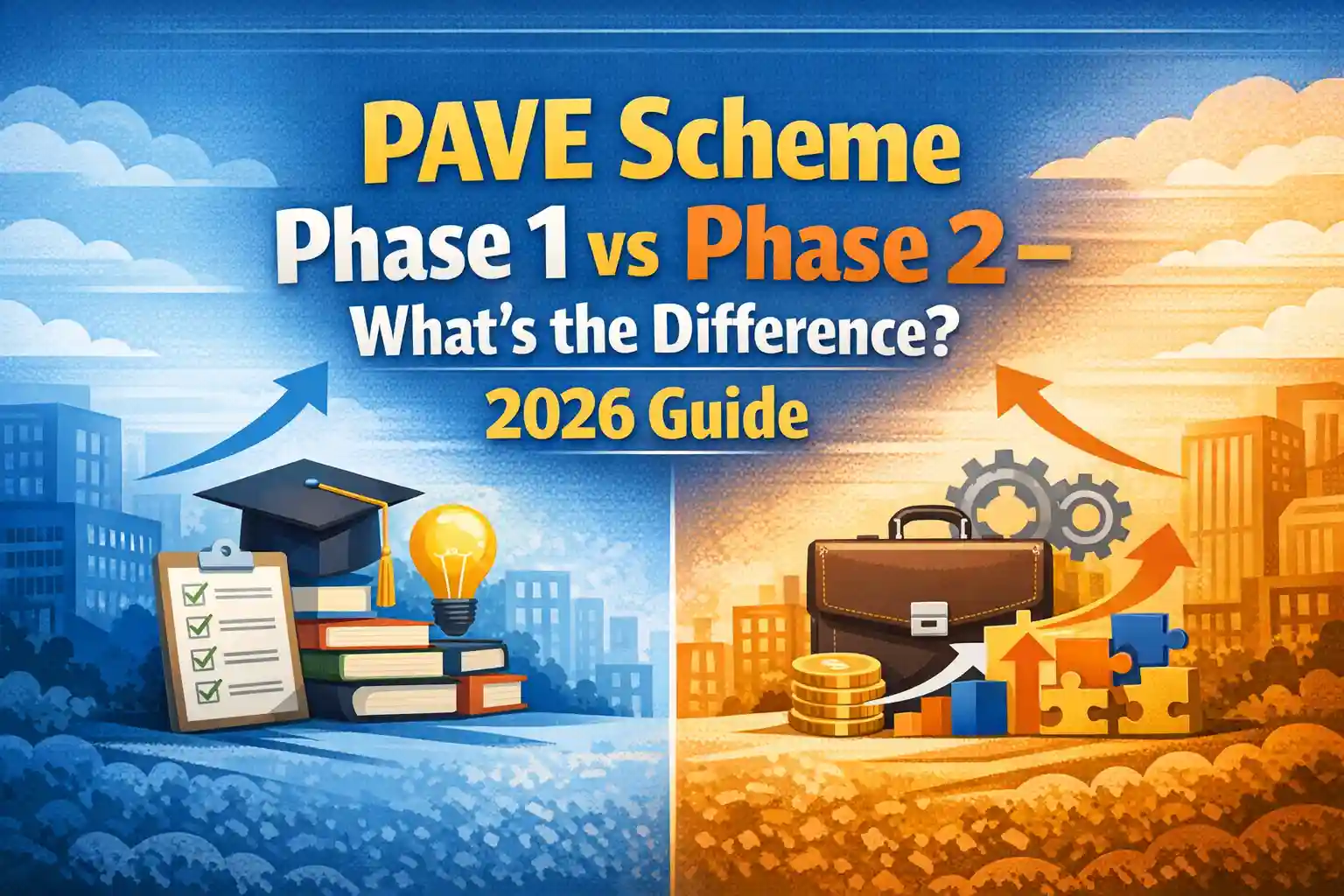
PAVE Scheme Phase 1 vs Phase 2 – What’s the Difference? 2026 Guide
The PAVE Scheme Phase 1 vs Phase 2 discussion is becoming one of the most searched topics in Pakistan in 2026. Many people want to understand what has changed, who can apply, how much subsidy is available, and what benefits each phase offers.
The Pakistan Accelerated Vehicle Electrification (PAVE) Scheme is a government initiative aimed at promoting electric vehicles (EVs), especially electric bikes and electric rickshaws. The goal is to reduce fuel imports, lower pollution, and provide financial support to low-income earners through subsidy programs.
In this detailed 2026 guide, we will explain the key differences between PAVE Scheme Phase 1 and Phase 2, eligibility criteria, subsidy amounts, application process, benefits, and future targets.
What is the PAVE Scheme 2026?
The PAVE Scheme, introduced by the Government of Pakistan under the supervision of the Engineering Development Board, aims to increase the use of electric vehicles in the country.
The program focuses on:
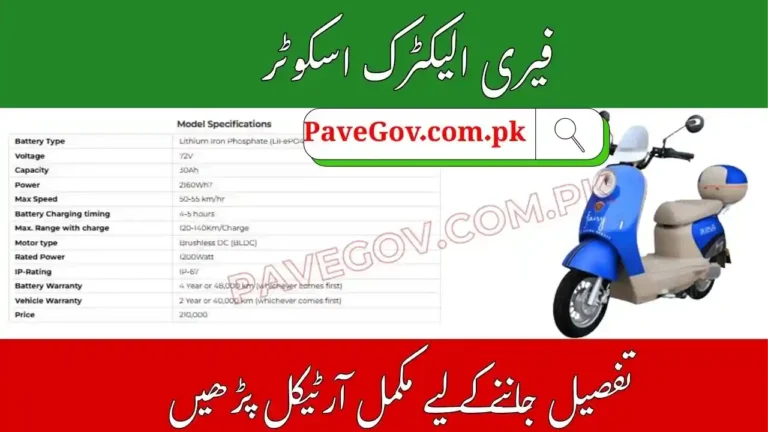
- Electric bikes
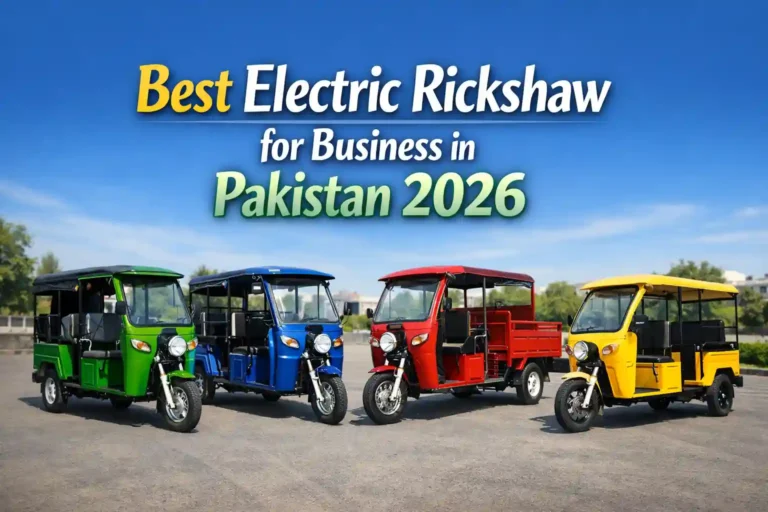
- Electric rickshaws
- Electric loaders
- Affordable installment plans
- Direct subsidy transfer
The long-term goal is to achieve 30% electric vehicle adoption in Pakistan by 2030.
PAVE Scheme Phase 1 – Overview (Initial Launch Phase)
Introduction of Phase 1
Phase 1 of the PAVE Scheme was the pilot phase. It was introduced to test the system, verify subsidy distribution methods, and understand market demand for electric vehicles.
Key Features of Phase 1
- Limited number of electric bikes and rickshaws
- Subsidy of Rs 40,000 for electric bikes
- Subsidy of Rs 80,000 for electric rickshaws
- First-come, first-served basis
- Manual verification process
- Limited dealership participation
Phase 1 mainly focused on urban areas and selected cities.
Objectives of Phase 1
- Test public response
- Evaluate EV demand
- Set up subsidy payment system
- Identify supply chain issues
This phase helped the government understand technical and financial challenges.
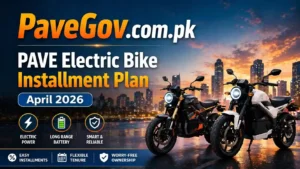
PAVE Scheme Phase 2 – Overview (Expansion Phase 2026)
Introduction of Phase 2
After the success and feedback from Phase 1, Phase 2 was launched in 2026 with expanded benefits and improved procedures.
Key Features of Phase 2
- Increased number of electric vehicles
- Faster subsidy disbursement
- Wider city coverage
- Improved online registration system
- Bank installment partnerships
- Transparent tracking mechanism
Phase 2 focuses on large-scale adoption and better management.

Major Differences Between PAVE Scheme Phase 1 vs Phase 2
Here is a clear comparison of both phases:
1. Subsidy Distribution System
Phase 1:
- Manual verification
- Slow subsidy transfer
- Limited monitoring
Phase 2:
- Digital tracking system
- Faster bank-linked transfers
- Transparent approval system
2. Coverage Area
Phase 1:
- Major cities only
Phase 2:
- Nationwide expansion
- Inclusion of semi-urban and rural areas
3. Vehicle Quota
Phase 1:
- Limited quota
- Pilot scale
Phase 2:
- Larger allocation
- Thousands of additional EVs
4. Installment Plans
Phase 1:
- Limited financing options
Phase 2:
- Easier installment plans
- Collaboration with banks and microfinance institutions
5. Target Audience
Phase 1:
- Individual buyers
Phase 2:
- Individuals
- Delivery riders
- Small businesses
- Women entrepreneurs
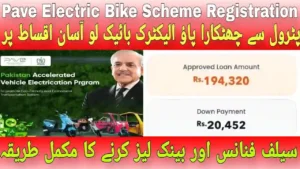
Subsidy Amount in PAVE Scheme 2026
Both phases offered financial support, but Phase 2 ensures quicker payments.
Electric Bike Subsidy
- Rs 40,000 per bike
Electric Rickshaw Subsidy
- Rs 80,000 per rickshaw
The subsidy is directly adjusted in the purchase price or transferred through approved channels.
Eligibility Criteria – Phase 1 vs Phase 2
Phase 1 Eligibility
- Pakistani citizen
- Valid CNIC
- Limited income verification
- Availability under quota
Phase 2 Eligibility
- Pakistani citizen
- Valid CNIC
- Bank account mandatory
- Income proof required
- No previous subsidy claim
Phase 2 introduced stricter verification to prevent misuse.
Application Process – What Changed?
Phase 1 Application Process
- Physical dealership registration
- Manual form submission
- Long approval time
Phase 2 Application Process
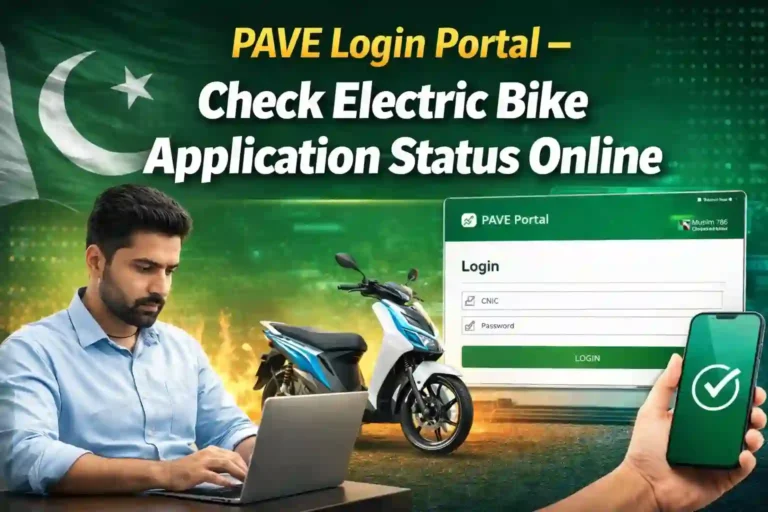
- Online registration portal
- Digital documentation upload
- SMS confirmation system
- Tracking ID provided
This digital upgrade is one of the biggest improvements in Phase 2.
Benefits of PAVE Scheme Phase 2
Phase 2 offers more structured benefits:
- Reduced fuel cost
- Lower maintenance expenses
- Environment-friendly transportation
- Income opportunity for delivery riders
- Lower carbon emissions
Electric vehicles are cheaper to operate compared to petrol bikes and rickshaws.
Environmental Impact of Phase 1 vs Phase 2
Phase 1 Impact
- Limited environmental effect due to small quota
Phase 2 Impact
- Significant pollution reduction
- Lower fuel import burden
- Better urban air quality
The expansion in Phase 2 is expected to create long-term environmental benefits.
Financial Impact on Pakistan
The PAVE Scheme helps Pakistan in:
- Reducing fuel imports
- Supporting local EV manufacturing
- Creating new jobs
- Strengthening green economy
The government has allocated billions in subsidy funds for the coming years.
Challenges Faced in Phase 1
Phase 1 experienced several issues:
- Delay in subsidy payments
- Limited vehicle availability
- High demand vs low supply
- Lack of awareness
These challenges were addressed in Phase 2 planning.
Why Phase 2 is Considered Better in 2026
Phase 2 is more organized and transparent because:
- It uses digital systems
- It covers more cities
- It ensures faster payments
- It supports larger beneficiaries
Many experts believe Phase 2 will significantly increase EV adoption in Pakistan.
Future of PAVE Scheme After Phase 2
The government plans to:
- Increase EV production
- Expand charging infrastructure
- Introduce electric buses
- Achieve 30% EV target by 2030
Future phases may include larger commercial electric vehicles.
Frequently Asked Questions (FAQs)
1. What is the main difference between PAVE Scheme Phase 1 and Phase 2?
Phase 1 was a pilot project with limited vehicles and manual processes, while Phase 2 is a nationwide expansion with digital registration and faster subsidy transfer.
2. Is the subsidy amount different in Phase 2?
No, the subsidy amount remains Rs 40,000 for electric bikes and Rs 80,000 for electric rickshaws, but payment processing is faster.
3. Can I apply if I already received subsidy in Phase 1?
No, Phase 2 does not allow repeat beneficiaries.
4. Is the application process online in Phase 2?
Yes, Phase 2 uses an online registration and tracking system.
5. Who manages the PAVE Scheme?
The scheme is supervised by the Engineering Development Board under the Government of Pakistan.
6. Is PAVE Scheme available in all cities in 2026?
Phase 2 has expanded coverage to most cities and semi-urban areas.
Conclusion – PAVE Scheme Phase 1 vs Phase 2 2026 Guide
The PAVE Scheme Phase 1 vs Phase 2 comparison clearly shows that Phase 2 is a more advanced, transparent, and expanded version of the initial pilot program. While Phase 1 helped test the system, Phase 2 focuses on large-scale implementation and improved subsidy management.