Latest News: New EV Policy Faces Big Pressure Over NEV Sales Tax
The new EV policy in Pakistan is facing a tough test before it even becomes law. According to industry sources, some players in the auto sector are lobbying the Federal Board of Revenue (FBR) and the International Monetary Fund (IMF) to slow down the shift to new energy vehicles (NEVs) by pushing for higher taxes on them.
This matters for every family thinking about an electric car, hybrid or even an e-bike. Lower taxes are one of the main reasons EVs are becoming affordable, and any change could push prices up again.
What Is Happening With the New EV Policy in Pakistan?
The proposed Auto Policy 2026-31 is a five-year plan that sets the direction for the car and bike industry. One of its biggest goals is to encourage electric mobility through lower taxes, cheaper imports of eligible EVs and better financing for buyers.
Sources say a coordinated campaign is now underway to get a higher NEV sales tax approved. If that happens, many of the incentives meant to help people switch to electric could be weakened.
Proposed Tax Treatment at a Glance
| Vehicle Type | Proposed Sales Tax in Draft |
|---|---|
| Battery electric vehicles (BEV) | Separate rate (details awaited) |
| Range-extended EVs (EREV) | 6 percent |
| Plug-in hybrids (PHEV) | 9 percent |
| IMF’s earlier proposal for all EVs | 18 percent (rejected by govt) |
The government had earlier turned down the IMF’s idea of a flat 18 percent tax on all electric vehicles. Instead, the draft gives each EV type its own rate, which is seen as friendlier for buyers.
5 Key Facts Every Buyer Should Know
- Differentiated tax: The draft treats battery EVs, range-extended EVs and plug-in hybrids differently.
- Lower customs duty: The policy aims to cut duties on eligible imported electric vehicles.
- Easier financing: More loan and leasing options for EV buyers are planned.
- IMF review: The policy is being shared with the IMF before final approval.
- Cabinet and Parliament: After IMF clearance, it goes to the Federal Cabinet and then to Parliament.
Hamza Shahbaz Seeks Briefing on Auto Policy
In a related development, MNA Hamza Shahbaz has called a high-level briefing on the upcoming auto policy. Officials from the Ministry of Industries and Production were scheduled to explain the plan to him. The Prime Minister has already approved the policy in principle, and earlier rounds of talks with the IMF had stalled over objections to the draft.
This shows the new EV policy in Pakistan is now a high-priority issue at the top level. You can read our background report on the new auto policy 2026-31 and our explainer on EV sales tax in Pakistan.
How Could This Affect E-Bike and EV Buyers?
If the tax relief survives, electric cars and bikes could become more affordable over the next few years. If higher taxes are imposed, prices may rise and the shift away from petrol could slow down. That is why the final shape of the electric vehicle tax in Pakistan is so important for ordinary buyers.
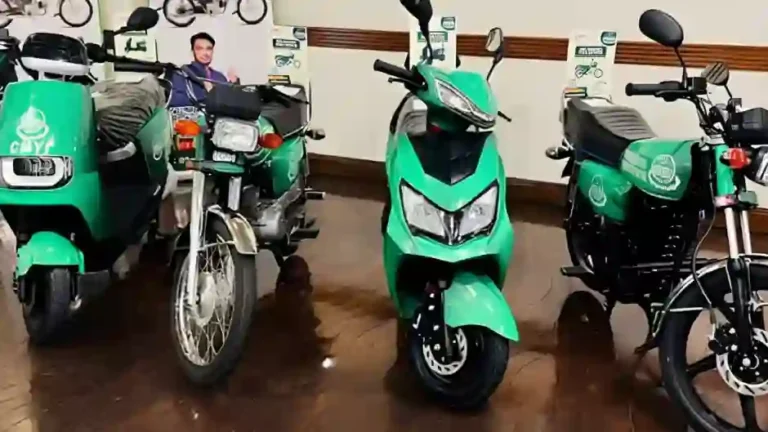
For e-bike riders, the good news is that government support programmes are still running. You can check the latest on the PM electric bike scheme, see whether you meet the eligibility criteria, and compare current electric bike prices in Pakistan before taxes change.
Tip: Use our PAVE subsidy calculator to see how much you could save every month compared to a petrol bike.
What Happens Next?
The next big step is the IMF’s response. Once the IMF clears the framework, the cabinet will take it up, followed by Parliament for final approval. Until then, the exact IMF EV tax stance and the final sales tax rates remain open.
Our view: buyers should not panic. Policies take time, and current rates stay in place until a new law is passed. If you are planning to buy an e-bike through a government scheme, keep your documents ready and follow the how to apply steps so you can move quickly when new rounds open.
We will keep tracking the new EV policy in Pakistan and update readers as soon as the final tax decision is announced.
Source: ProPakistani
Also Read: Air Link Unveils AirV Electric Bikes With 11 Models | Chery Q EV Reaches Karachi, Deliveries Coming Soon | UAE Sets Minimum Age 15 for E-Bike and E-Scooter Riders | Free Electric Bus Service Starts in Attock for Students
Frequently Asked Questions
What is the new EV policy in Pakistan?
It is part of the proposed Auto Policy 2026-31, which offers lower taxes, reduced duties and better financing to encourage electric vehicles.
What sales tax is proposed on hybrids and range-extended EVs?
The draft proposes 6 percent sales tax on range-extended vehicles and 9 percent on plug-in hybrids.
Did the government accept the IMF’s 18 percent EV tax?
No. The government rejected the IMF proposal for an across-the-board 18 percent sales tax on electric vehicles.
When will the new auto policy be approved?
After IMF clearance, it will go to the Federal Cabinet and then to Parliament for final approval.