Diesel and Petrol Price in Pakistan Today – Latest Petrol Price Update 22 July 2026
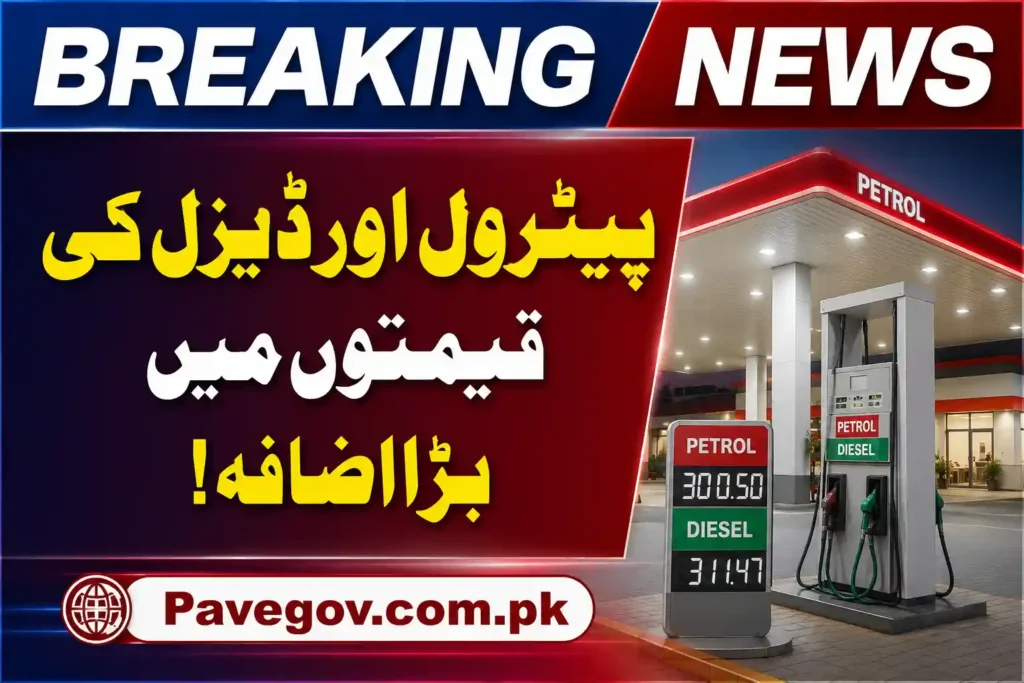
Pakistan’s petroleum prices have once again increased following the latest notification issued by the government. The revised prices became effective from 22 July 2026, bringing higher costs for both Petrol (Super) and High-Speed Diesel (HSD).
The increase comes amid fluctuations in international crude oil prices and rising import costs caused by regional tensions in the Middle East.
This article explains the latest petrol price in Pakistan, the reasons behind the increase, its impact on the economy, and what consumers can expect in the coming weeks.
Latest Petrol Price in Pakistan Today
According to the latest government notification effective from 22 July 2026, the revised petroleum prices are as follows:
| Fuel Type | Previous Price | New Price | Increase |
|---|---|---|---|
| Petrol (Super) | PKR 315.80 | PKR 320.73 | +PKR 4.93 |
| High-Speed Diesel (HSD) | PKR 360.06 | PKR 367.21 | +PKR 7.15 |
| Light Speed Diesel | PKR 199.98 | PKR 199.98 | No Change |
The government has increased the price of Petrol (Super) by PKR 4.93 per litre, while High-Speed Diesel has become PKR 7.15 per litre more expensive. Meanwhile, Light Speed Diesel remains unchanged.

Government Announces New Petroleum Prices
The latest revision was approved after recommendations from the Petroleum Division and the Oil and Gas Regulatory Authority (OGRA). The updated prices became applicable nationwide from 22 July 2026.
Officials stated that the increase is primarily linked to:
- Rising international crude oil prices.
- Higher import premiums.
- Exchange rate fluctuations.
- Increased transportation and freight charges.
- Regional instability affecting global oil markets.
These factors have collectively pushed up the cost of importing petroleum products into Pakistan.

Why Has the Petrol Price Increased?
The increase in petrol price in Pakistan today is mainly driven by developments in the international energy market. Global crude oil prices have shown an upward trend due to geopolitical tensions, especially in the Persian Gulf region.
Pakistan imports a significant portion of its petroleum requirements, making domestic fuel prices highly sensitive to international market changes.
Some of the major reasons include:
- Higher Brent crude oil prices.
- Increased freight and shipping insurance costs.
- Currency depreciation against the US Dollar.
- Import premium adjustments.
- Government tax and petroleum levy structure.
Since Pakistan depends heavily on imported petroleum products, any change in global oil prices directly affects local consumers.

Impact on Transportation
One of the first sectors affected by the increase in diesel and petrol price in Pakistan today is transportation.
Public transport operators usually revise fares after fuel price adjustments. Intercity buses, goods transport vehicles, ride-hailing services, and delivery companies are expected to experience higher operating costs.
Consumers may notice:
- Increased bus fares.
- Higher taxi charges.
- More expensive online ride services.
- Increased logistics expenses.
- Higher delivery charges for online shopping.
These additional costs eventually affect almost every sector of the economy.

Effect on Inflation
Fuel prices play a vital role in determining Pakistan’s inflation rate.
Whenever petrol price today Pakistan increases, transportation and manufacturing costs also rise. Businesses often pass these additional expenses on to consumers through higher product prices.
Some sectors likely to experience price increases include:
- Food items.
- Fruits and vegetables.
- Construction materials.
- Consumer goods.
- Agricultural products.
As a result, inflationary pressure may continue if international oil prices remain elevated.
Impact on Agriculture
The increase in High-Speed Diesel is particularly important for Pakistan’s agricultural sector.
Diesel is widely used for:
- Tractors.
- Water pumps.
- Harvesting machinery.
- Goods transportation.
- Irrigation systems.
Higher diesel prices increase farming costs, which can eventually lead to higher prices for agricultural products in local markets.
Industries Expected to Face Higher Costs
Several industries rely heavily on diesel-powered machinery and transportation.
These include:
- Manufacturing.
- Construction.
- Textile sector.
- Cement industry.
- Logistics companies.
An increase in fuel costs raises production expenses, reducing profit margins unless businesses increase product prices.
How Often Does Pakistan Revise Petrol Prices?
The Government of Pakistan generally reviews petroleum prices every fortnight (after every 15 days).
The review process involves:
- International crude oil prices.
- Exchange rate movements.
- Import premium.
- Inland freight equalization margin.
- Recommendations from OGRA.
- Government taxation policies.
After reviewing these factors, the federal government announces revised prices that become effective from the notified date.
Tips to Reduce Fuel Expenses
Although fuel prices continue to rise, consumers can reduce their monthly fuel expenses by adopting smarter driving habits.
Some useful tips include:
- Maintain proper tyre pressure.
- Avoid unnecessary acceleration.
- Service your vehicle regularly.
- Combine multiple errands into one trip.
- Use public transport whenever possible.
- Avoid excessive engine idling.
- Drive at a consistent speed.
These simple measures can significantly improve fuel efficiency.
What Can Consumers Expect Next?
Future petroleum prices will largely depend on international crude oil markets.
If global oil prices continue to rise, Pakistan may witness another increase during the next review. However, if crude prices decline and the exchange rate remains stable, consumers may receive some relief.
Experts suggest keeping an eye on:
- International Brent crude prices.
- Dollar exchange rate.
- Government tax policies.
- OGRA recommendations.
- Regional geopolitical developments.
These factors will determine future petroleum price adjustments.
Frequently Asked Questions
What is the latest petrol price in Pakistan today?
The latest Petrol (Super) price is PKR 320.73 per litre, effective from 22 July 2026.
What is the current High-Speed Diesel price?
The new High-Speed Diesel (HSD) price is PKR 367.21 per litre.
How much has petrol increased?
The government has increased Petrol (Super) by PKR 4.93 per litre.
How much has diesel increased?
High-Speed Diesel has increased by PKR 7.15 per litre.
Is Light Speed Diesel also increased?
No. Light Speed Diesel remains unchanged at PKR 199.98 per litre.
Conclusion About Diesel And Petrol Price In Pakistan
The latest increase in Diesel and Petrol Price in Pakistan Today reflects ongoing pressure in international energy markets and higher import costs. With Petrol (Super) now priced at PKR 320.73 per litre and High-Speed Diesel reaching PKR 367.21 per litre, consumers and businesses alike are expected to face higher transportation and operating expenses. Since fuel prices influence almost every sector of the economy, staying updated with the latest petroleum price notifications is essential for households, businesses, transport operators, and farmers. As global crude oil prices continue to fluctuate, future fuel price revisions will remain closely tied to international market conditions and government policy decisions.