
Breaking News: Govt Says No to 18% IMF Tax on Electric Vehicles
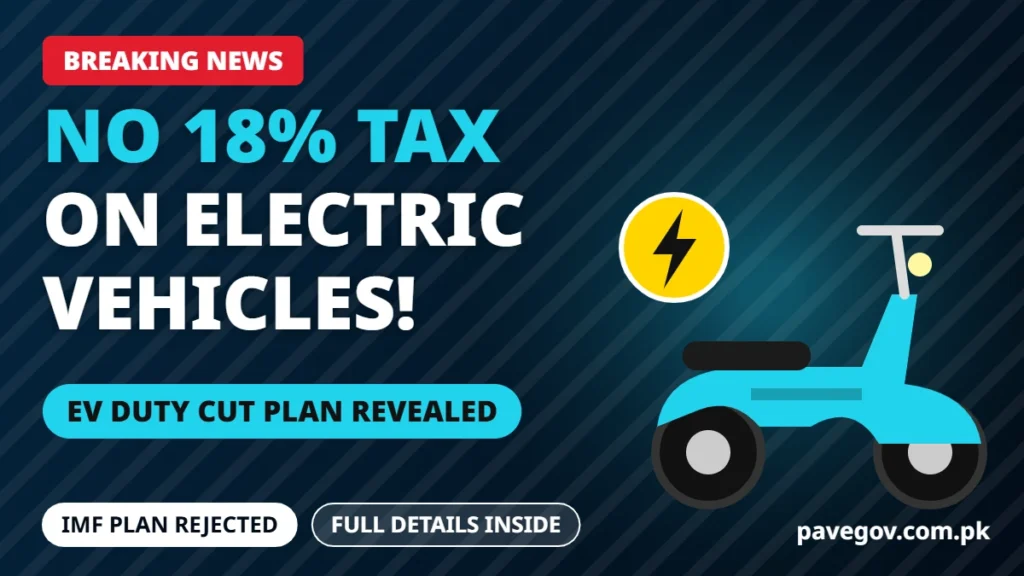
There is good news for anyone saving up for an electric car, scooter or bike. The federal government has rejected an IMF proposal to put an 18 percent sales tax on electric vehicles. Instead, the new Auto Policy 2026-31 is moving in the opposite direction, with lower duties planned for clean vehicles over the next few years.
This is a big moment for the electric vehicle tax in Pakistan debate. For months, buyers were worried that EVs would suddenly become more expensive. Now the draft policy, which Prime Minister Shehbaz Sharif approved on Tuesday, points to cheaper imports and softer tax rates for alternative-energy vehicles.
What the Government Has Decided
According to a report by ProPakistani, the government turned down the IMF’s suggestion of a flat 18 percent sales tax on EVs. Officials believe such a heavy tax would slow down the shift to electric mobility at a time when fuel prices are already high.
The new framework is a six-year plan. Its main goal is to push people towards cleaner transport by changing how vehicles are taxed. Petrol and diesel cars will carry more of the burden, while eligible electric vehicles will get relief step by step.
EV Customs Duty Cut: From 50% to 15%
The biggest change is in the EV customs duty. Right now, eligible imported electric vehicles face a heavy 50 percent customs duty. Under the draft policy, this will drop in phases:
| Stage | Customs Duty on Eligible EVs |
|---|---|
| Current rate | 50% |
| First cut under new policy | 25% |
| Target by FY 2030-31 | 15% |
This relief applies to eligible electric vehicles priced up to $75,000. Luxury EVs above that price will not benefit in the same way. Because the cuts come in phases, buyers should not expect the full drop overnight. The electric car import duty will come down gradually over the policy period.
Proposed Sales Tax on Hybrids and Other EV Types
The draft also sets different tax levels for different kinds of alternative-energy vehicles. Here is a simple breakdown:
- Range-extended electric vehicles (REEVs): proposed sales tax of 6 percent
- Plug-in hybrid vehicles (PHEVs): proposed sales tax of 9 percent
- Other alternative-energy vehicles: variable tax categories under the new policy
In short, the cleaner the vehicle, the lower the tax. This tiered system is meant to reward buyers who choose cars that burn less fuel.
What This Means for Electric Vehicle Tax in Pakistan
For ordinary people, the message is clear: the government wants EVs to become more affordable, not less. Lower duties should help importers and local assemblers bring down prices. Over time, this could also bring more models into the market and create healthy competition.
However, this is still a draft policy. Final rates, dates and conditions may change before they are notified. Buyers who are planning a big purchase should keep an eye on official announcements before making a final decision.
Is There Any Impact on E-Bikes and Scooters?
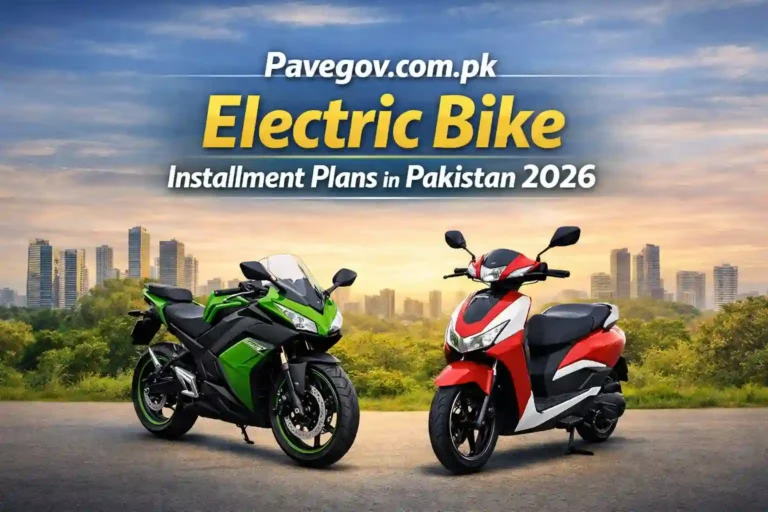
This particular decision mainly covers imported electric cars. But the overall direction of the policy is good news for two-wheelers too. If you are looking for a cheaper option, check the latest electric bike price in Pakistan and our updated list of electric scooter and scooty prices. You can also see how much you can save with the PAVE subsidy calculator.
How to Get Benefits on an Electric Bike Right Now
While EV car relief will take time, government support for e-bikes is already available. Under the PM electric bike scheme, eligible citizens can get an electric bike on easy installments with subsidy support. Here is what you should do:
- Check the eligibility criteria to see if you qualify.
- Prepare your papers using our documents required guide.
- Complete your PAVE registration online.
- Follow the step-by-step how to apply guide to submit your application.
Many riders are switching to electric two-wheelers because daily fuel costs keep rising. The industry is also watching tax changes closely, as seen in our earlier report on the new duty on bike parts.
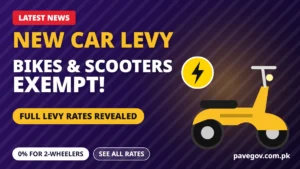
Also Read: New Car Levy Exempts Bikes and Scooters | Petrol Price Up Again, E-Bike Savings Explained | Islamabad Changes Two Feeder Bus Routes | Punjab Cracks Down on Fake Number Plates
Frequently Asked Questions
Did Pakistan agree to the 18% IMF tax on EVs?
No. The federal government rejected the IMF proposal to impose an 18 percent sales tax on electric vehicles under the new Auto Policy 2026-31.
How much will EV customs duty be cut?
Customs duty on eligible electric vehicles priced up to $75,000 will drop from 50 percent to 25 percent first, with a target of 15 percent by FY 2030-31.
What sales tax is proposed for hybrid cars?
The draft proposes 6 percent sales tax on range-extended EVs and 9 percent on plug-in hybrid vehicles.
Is the new auto policy final?
The Prime Minister has approved the draft Auto Policy 2026-31, but final rates and dates will be confirmed when the policy is officially notified.


One Comment