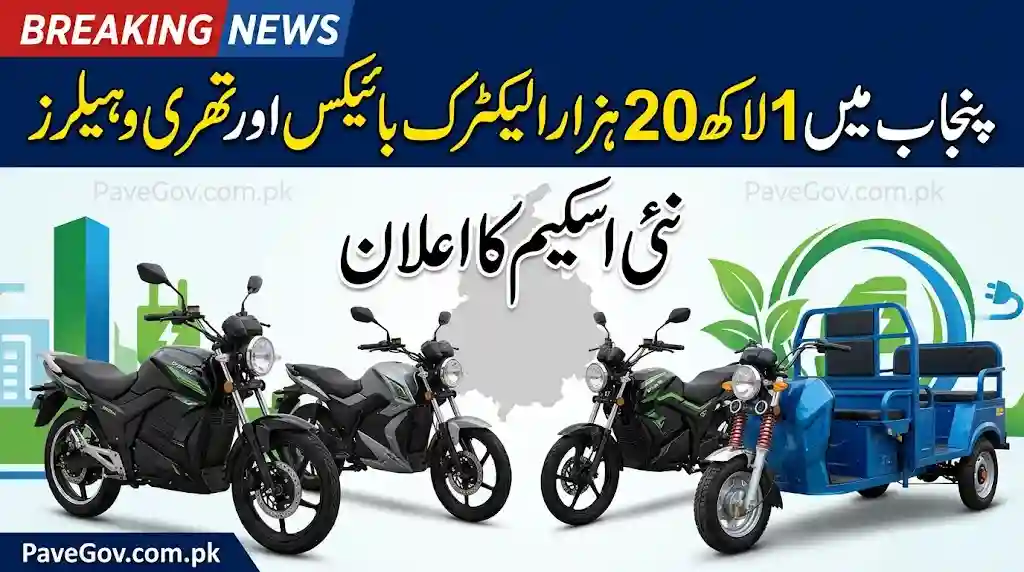
Punjab to Distribute 120,000 Electric Bikes and Three-Wheelers Under New Scheme
The Punjab government has introduced a new electric mobility initiative aimed at increasing the use of clean and affordable transport across the province. Under the proposed scheme, 120,000 electric bikes and three-wheelers are expected to be provided to eligible citizens. The initiative is designed to support students, workers, women, small business owners, and other people who need affordable transportation for their daily activities.
The new program is part of Punjab’s wider efforts to promote electric vehicles in Punjab and reduce dependence on conventional fuel. With petrol and diesel costs putting pressure on household budgets, electric bikes and three-wheelers can provide an alternative for daily travel and small-scale commercial activities.
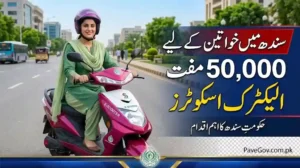
Punjab Electric Bike and Three-Wheeler Scheme
The Punjab electric bike scheme is expected to focus on increasing access to electric two-wheelers and three-wheelers. Electric bikes are becoming increasingly popular because they generally have lower running costs than petrol motorcycles and can be useful for daily commuting.
The planned distribution of 120,000 electric vehicles could also create opportunities for people who depend on motorcycles and three-wheelers for employment. The government is expected to provide further information about eligibility, registration, vehicle models, financing arrangements, and the application procedure through official announcements.
People interested in the program should check official Punjab government channels before submitting personal information or paying any registration fee to an unofficial website.
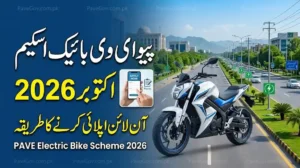
120,000 Electric Bikes and Three-Wheelers
One of the most important aspects of the initiative is the proposed distribution of 120,000 electric bikes and three-wheelers. The large number of vehicles indicates that the program is intended to reach a significant number of people across Punjab.
The electric bikes may be useful for students, office workers, delivery riders, and other daily commuters. Meanwhile, electric three-wheelers can support individuals involved in passenger transport, goods delivery, and small businesses.
The exact number of electric bikes compared with three-wheelers may be announced by the government when the detailed scheme structure is finalized.
Why Punjab Is Promoting Electric Vehicles
Punjab faces increasing transportation demand because of its large population and growing urban areas. Conventional motorcycles, cars, rickshaws, and other petrol-powered vehicles contribute to fuel consumption and urban air pollution.
The promotion of electric vehicles in Punjab can help encourage a gradual shift toward cleaner transportation. Electric vehicles do not use petrol in the same way as conventional vehicles, which can help users reduce their dependence on fuel for everyday travel.
For many motorcycle users, fuel expenses are an important part of their monthly transportation budget. An electric bike can potentially reduce daily operating expenses, depending on electricity rates, battery capacity, charging arrangements, and vehicle efficiency.
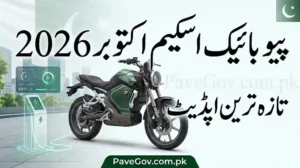
Benefits of Electric Bikes for Daily Users
The Punjab electric bike scheme 2026 can provide several potential benefits to eligible residents.
First, electric bikes can offer lower day-to-day running costs compared with petrol motorcycles. Users can charge their vehicles instead of purchasing petrol for every journey.
Second, electric bikes are suitable for short and medium-distance travel. Students and office workers can use them for commuting between home, educational institutions, workplaces, markets, and other locations.
Third, the wider adoption of electric motorcycles may contribute to cleaner urban transportation. Reduced dependence on petrol-powered motorcycles can support broader environmental goals.
However, users should also consider battery life, charging availability, maintenance, replacement costs, and the distance a vehicle can travel on a single charge before choosing an electric vehicle.
Electric Three-Wheelers for Workers and Businesses
The three-wheeler component of the program could be particularly important for people who use rickshaws and small commercial vehicles to earn a living.
An electric three-wheeler scheme in Punjab could help drivers move toward electric transportation while continuing their daily work. Depending on the vehicle type, electric three-wheelers can be used for passenger services, goods transportation, deliveries, and small commercial operations.
Lower fuel dependence may help drivers manage operating costs. However, the actual savings will depend on electricity prices, charging infrastructure, battery performance, vehicle maintenance, and daily mileage.
The government may also introduce specific categories or quotas for commercial users, women, students, or other groups. These details should be confirmed through an official notification.
Who May Be Eligible?
The final electric bike eligibility criteria have to be confirmed through the official scheme announcement. In similar government mobility programs, eligibility may depend on factors such as Punjab residency, age, identity documents, driving license requirements, income level, employment or student status, and the applicant’s ability to meet financing conditions.
Applicants may also need a valid CNIC and other supporting documents. If the scheme includes financing or installment payments, applicants could be required to meet additional requirements set by participating banks or financial institutions.
People should avoid relying on social media posts that claim guaranteed approval or ask applicants to share sensitive information.
Registration and Application Process
The Punjab electric bike registration process is expected to be announced through an official government portal or designated institutions. Once registration opens, applicants may need to complete an online application form and provide personal and eligibility information.
A possible application process could include:
- Visit the official government registration portal.
- Create an account using the required information.
- Enter CNIC and contact details.
- Select the relevant electric vehicle category.
- Upload required documents.
- Review the application carefully.
- Submit the application.
- Save the application number or confirmation message.
The actual process may be different when the government launches the final registration system. Applicants should therefore follow the instructions published by the relevant Punjab government department.
Documents That May Be Required
Although the final requirements are subject to official confirmation, applicants may be asked for documents such as:
- CNIC
- Proof of Punjab residence
- Valid mobile phone number
- Driving license, where applicable
- Proof of employment or student status, if required
- Income information for financing-based applications
- Additional documents required by the government or participating financial institution
Applicants should make sure that their information is accurate and matches their official documents.
Is There Any Subsidy or Installment Facility?
A major point of interest for applicants will be the cost of the electric vehicles. If the program includes a Punjab electric vehicle subsidy, the government may cover part of the purchase cost or provide financial support through another mechanism.
The scheme could also involve interest-free or subsidized financing, depending on the final structure. In such cases, applicants may pay the remaining amount through installments.
However, applicants should not assume a specific subsidy amount or installment plan until the Punjab government officially announces these details.
Charging Infrastructure in Punjab
The success of an electric vehicle program depends not only on vehicle distribution but also on charging facilities. Users need convenient places to charge their vehicles, particularly in major cities and along busy travel routes.
Expansion of EV charging stations in Punjab could therefore become an important part of the province’s electric mobility strategy. Public charging stations, workplace charging, educational institution charging points, and commercial charging facilities can make electric vehicles easier to use.
For electric three-wheelers, reliable charging infrastructure is especially important because commercial drivers may travel longer distances during the day.
Impact on Students and Young People
Electric bikes can provide an affordable transportation option for students and young workers. Rising transportation costs can make daily commuting difficult for families, particularly when students travel long distances to colleges and universities.
A well-designed electric bike scheme for students could help reduce transportation expenses and improve mobility. Students may also benefit from easier access to educational institutions, libraries, training centers, and employment opportunities.
Any student quota or special eligibility category should be confirmed through the official scheme guidelines.
Support for Women
Electric mobility programs can also improve transportation options for women. If the government reserves a portion of the vehicles for women, the scheme could help eligible women access education, employment, business activities, and other daily needs.
Women-focused electric bike programs have received attention because personal transportation can provide greater flexibility for commuting. The exact number of vehicles reserved for women, if any, will depend on the final government policy.
Environmental Benefits
Another important objective of the Punjab EV scheme is environmental protection. Traditional petrol and diesel vehicles contribute to air pollution and greenhouse gas emissions.
Increasing the use of electric vehicles can support cleaner transportation, particularly when electricity is generated from cleaner energy sources. Electric vehicles can also reduce local tailpipe emissions because they do not have conventional exhaust systems.
Punjab’s electric mobility efforts can therefore become part of a wider strategy for improving urban air quality and encouraging sustainable transportation.
Important Advice for Applicants
People interested in the 120,000 electric bikes and three-wheelers scheme should wait for official registration instructions before applying. Applicants should use only government-authorized websites, offices, banks, or other officially announced channels.
Do not share your CNIC number, OTP, bank details, or other sensitive information with unknown websites or social media accounts. Applicants should also be careful about fake registration fees and unofficial agents claiming to guarantee selection.
Punjab Electric Bike Scheme 2026 Final Words
The proposed distribution of 120,000 electric bikes and three-wheelers in Punjab represents a major step toward expanding electric mobility in the province. The initiative could provide affordable transportation opportunities for commuters, students, women, workers, and small business owners while supporting the broader shift toward cleaner vehicles.
The success of the program will depend on transparent eligibility rules, an easy registration process, reliable vehicle quality, affordable financing, and sufficient charging infrastructure. As the government releases more information, applicants should check the official announcements for the confirmed Punjab electric bike registration, eligibility criteria, subsidy details, vehicle specifications, and application procedure.
For now, people should avoid unofficial registration links and wait for verified information from the relevant Punjab government authorities.